
In today’s fast-growing digital economy, e-commerce businesses are under constant pressure to deliver faster, cheaper, and more reliably. Customers expect same-day or next-day delivery, real-time tracking, and seamless order fulfilment. To meet these expectations, businesses must adopt advanced transport technology solutions.
Modern transport and logistics technology in Australia is transforming how e-commerce companies manage shipping, delivery, and supply chain operations. From real-time tracking systems to AI-driven route optimization, these innovations are improving efficiency, reducing costs, and enhancing customer satisfaction.
In this blog, we will explore how transport technology solutions for e-commerce businesses drive growth, improve delivery performance, and streamline logistics operations.
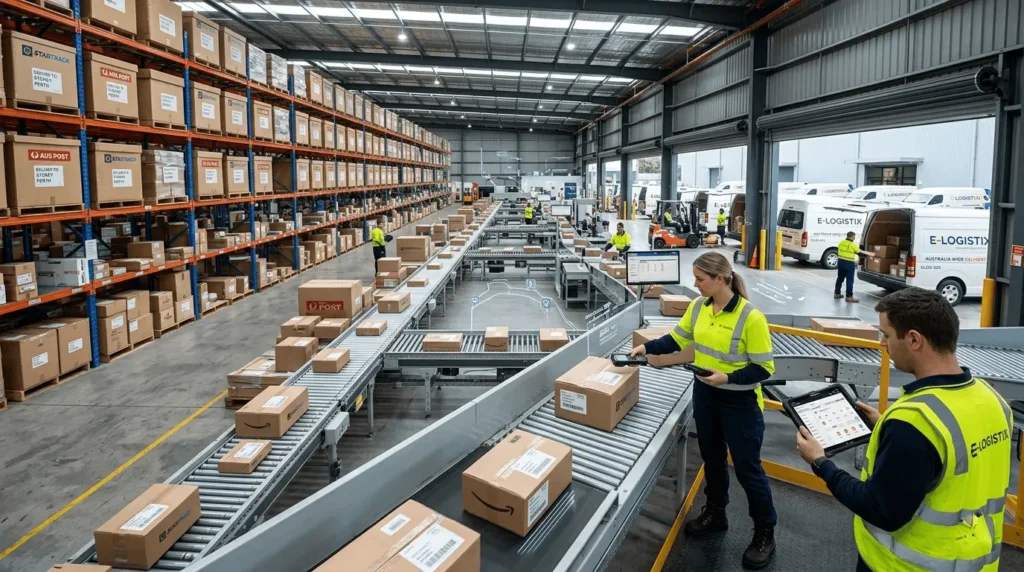
What Are Transport Technology Solutions?
Transport technology solutions refer to digital tools and systems that optimize transportation, fleet management, and logistics operations.
Key technologies include:
- Transport Management Systems (TMS)
- GPS and real-time tracking systems
- Route optimization software
- Warehouse integration systems
- Fleet management tools
- Data analytics platforms
These tools help e-commerce businesses manage deliveries efficiently while reducing operational complexity.
Why Transport Technology is Important for E-commerce Businesses
E-commerce logistics is complex and time-sensitive. Without proper technology, businesses face:
- Delayed deliveries
- High shipping costs
- Poor inventory coordination
- Lack of visibility in shipments
- Customer dissatisfaction
Implementing smart logistics solutions in Australia ensures faster deliveries, accurate tracking, and efficient supply chain management.
1. Real-Time Shipment Tracking Improves Customer Experience
One of the biggest expectations of online customers is transparency.
With real-time tracking systems, e-commerce businesses can:
- Provide live shipment updates
- Reduce customer inquiries
- Improve delivery accuracy
- Build trust and credibility
Customers feel more confident when they can track their orders in real time.
2. Route Optimization Reduces Delivery Time and Cost
Delivery speed plays a crucial role in e-commerce success.
Advanced route optimization software helps:
- Identify the fastest delivery routes
- Avoid traffic congestion
- Reduce fuel consumption
- Improve delivery efficiency
For businesses managing multiple deliveries daily, optimized routing significantly reduces logistics costs and improves performance.
3. Transport Management Systems (TMS) Streamline Operations
A Transport Management System (TMS) is a core technology used in modern logistics.
It helps e-commerce businesses:
- Plan and schedule shipments
- Manage carriers and drivers
- Track delivery performance
- Automate logistics processes
TMS improves operational efficiency and ensures smooth coordination between warehouses and delivery networks.
4. Integration with Warehousing and Inventory Systems
Transport technology becomes more powerful when integrated with warehouse systems.
This integration allows:
- Real-time inventory updates
- Faster order processing
- Accurate dispatch planning
- Reduced order errors
For e-commerce businesses using 3PL warehousing services, integrated systems create a seamless flow from storage to delivery.
5. Improved Last-Mile Delivery Efficiency
Last-mile delivery is the most critical and expensive stage in e-commerce logistics.
Transport technology helps:
- Optimize delivery routes
- Track delivery agents
- Provide delivery time estimates
- Improve first-attempt delivery success
Efficient last-mile delivery enhances customer satisfaction and reduces return rates.
6. Data Analytics for Better Decision Making
Modern transport systems collect valuable logistics data.
E-commerce businesses can analyze:
- Delivery performance metrics
- Shipping costs
- Customer demand patterns
- Fleet utilization
This data-driven approach helps businesses make smarter logistics decisions and improve long-term performance.
7. Enhanced Fleet Management and Driver Safety
Fleet management technology allows businesses to monitor:
- Vehicle performance
- Driver behavior
- Fuel consumption
- Maintenance schedules
This ensures safer operations, reduces breakdown risks, and improves overall delivery reliability.
8. Automation Reduces Manual Errors
Manual logistics processes often lead to errors such as:
- Incorrect deliveries
- Missing shipments
- Data entry mistakes
Automation in transport technology eliminates these issues by:
- Digitizing workflows
- Automating dispatch processes
- Reducing paperwork
This improves accuracy and operational efficiency.
9. Cost Reduction and Profitability
Transport technology solutions help reduce:
- Fuel costs
- Labour costs
- Delivery delays
- Return shipments
By optimizing logistics operations, businesses can improve profit margins while maintaining service quality.
10. Scalability for Growing E-commerce Businesses
As order volumes grow, logistics becomes more complex.
Transport technology provides scalable solutions such as:
- Multi-location delivery management
- Automated order processing
- Flexible routing systems
This allows businesses to expand without major infrastructure investment.
Industries Benefiting from Transport Technology in E-commerce
- Online retail stores
- FMCG brands
- Fashion and apparel businesses
- Electronics e-commerce companies
- Grocery delivery services
All these sectors rely heavily on efficient transport and logistics systems.
Future of Transport Technology in E-commerce
The future of e-commerce logistics in Australia includes:
- AI-based route optimization
- Autonomous delivery vehicles
- Drone delivery systems
- Electric vehicle fleets
- Smart logistics platforms
These innovations will further improve delivery speed, reduce costs, and enhance sustainability.
Conclusion
Transport technology solutions are no longer optional for e-commerce businesses — they are essential for survival and growth.
From real-time tracking and route optimization to fleet management and logistics automation, these technologies help businesses deliver faster, operate efficiently, and improve customer satisfaction.
In Australia’s competitive e-commerce market, investing in smart transport and logistics solutions gives businesses a strong advantage and ensures long-term success.
Frequently Asked Questions
Q1. What are transport technology solutions in e-commerce?
They are digital tools that improve delivery, tracking, and logistics operations.
Q2. How does transport technology improve delivery speed?
It uses route optimization and real-time tracking to ensure faster deliveries.
Q3. What is a Transport Management System (TMS)?
It is software that helps manage shipments, routes, and logistics operations.
Q4. Why is last-mile delivery important in e-commerce?
It directly impacts customer satisfaction and delivery success.
Q5. Can small e-commerce businesses use transport technology?
Yes, scalable solutions make it accessible for businesses of all sizes.