
International trade is growing rapidly, and businesses across Australia are expanding into global markets. However, shipping goods overseas is not as simple as loading boxes into a container. Proper cargo preparation is essential to ensure smooth customs clearance, prevent damage, avoid delays, and reduce additional costs.
Whether you are working with a professional freight forwarding company or managing exports independently, understanding how to prepare your cargo for international shipping can significantly improve your supply chain efficiency.
In this complete guide, we will explain the key steps involved in preparing cargo for international shipping from Australia, including packaging, documentation, labeling, compliance, and freight coordination.
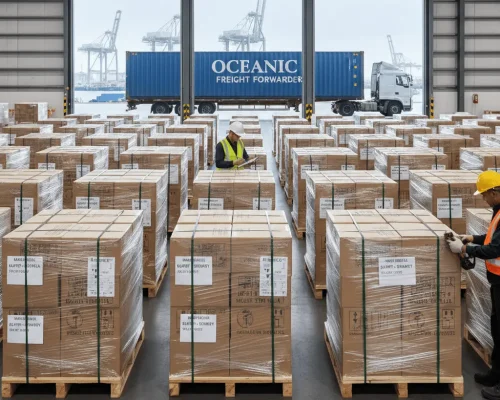
1. Understand International Shipping Requirements
Before preparing your cargo, it is essential to understand the shipping regulations of both:
- The exporting country (Australia)
- The destination country
Each country has its own import/export laws, customs regulations, restricted goods lists, and documentation requirements.
Working with an experienced freight forwarding services provider in Australia ensures you comply with all necessary regulations and avoid shipment rejection or penalties.
Key considerations include:
- Import duties and taxes
- Restricted or prohibited goods
- Product certifications
- Biosecurity and quarantine requirements
Failure to understand these regulations can result in shipment delays or financial losses.
2. Choose the Right Mode of Transport
The next step is selecting the appropriate shipping method:
Air Freight
- Faster delivery
- Ideal for high-value or urgent cargo
- Higher cost
Sea Freight
- Cost-effective for large shipments
- Suitable for bulk cargo
- Longer transit time
Your choice will impact packaging standards, documentation, insurance, and overall logistics planning.
Professional air and sea freight forwarding services help determine the best option based on cargo type, urgency, and budget.
3. Proper Cargo Packaging Is Critical
One of the most important steps in preparing cargo for international shipping is secure and compliant packaging.
International shipments go through:
- Multiple handling points
- Long transit periods
- Varying weather conditions
- Port loading and unloading
Poor packaging increases the risk of damage, claims, and financial losses.
Best Practices for Cargo Packaging:
- Use strong, export-grade cartons
- Reinforce corners and edges
- Use waterproof wrapping for sea freight
- Cushion fragile items with protective materials
- Use pallets for stability
- Shrink-wrap cargo securely
For heavy goods, wooden crates may be required. Ensure wooden packaging complies with ISPM-15 international standards for pest control.
Reliable logistics solutions in Australia always prioritize secure cargo packaging to prevent damage during international transport.
4. Accurate Labeling and Marking
Incorrect labeling is one of the most common causes of shipping delays.
Your cargo labels should clearly display:
- Sender and receiver details
- Destination address
- Contact information
- Handling instructions (Fragile, This Side Up, etc.)
- Weight and dimensions
- Shipping marks and tracking numbers
Clear labeling helps customs officers, freight handlers, and warehouse staff process shipments efficiently.
Professional freight forwarding companies ensure all labels meet international shipping standards.
5. Prepare Essential Shipping Documentation
Documentation is a crucial part of international shipping. Missing or incorrect paperwork can cause serious delays.
Common export documents include:
- Commercial Invoice
- Packing List
- Bill of Lading (for sea freight)
- Air Waybill (for air freight)
- Export Declaration
- Certificate of Origin
- Insurance Certificate
Accurate documentation supports smooth customs clearance in Australia and at the destination country.
A professional transport and logistics company manages documentation carefully to avoid compliance issues.
6. Ensure Customs Compliance
Customs clearance is one of the most sensitive stages in international shipping.
To avoid delays:
- Declare cargo value correctly
- Use accurate HS codes
- Pay applicable duties and taxes
- Ensure compliance with destination country regulations
Incorrect declarations can result in fines or cargo seizure.
Professional customs clearance services in Australia help businesses navigate these complex procedures efficiently.
7. Consider Cargo Insurance
International shipping carries risks such as:
- Cargo damage
- Theft
- Natural disasters
- Port congestion delays
Cargo insurance protects your financial investment.
Even with secure packaging and reliable freight forwarding services, unforeseen events can occur. Insurance provides peace of mind and reduces financial exposure.
8. Plan for Transit Time and Delays
When preparing cargo, always factor in:
- Port congestion
- Weather conditions
- Customs inspection delays
- Public holidays in destination countries
Advance planning ensures your supply chain remains stable and customer commitments are met.
Professional freight forwarding services in Australia provide estimated transit times and real-time shipment tracking.
9. Conduct Final Pre-Shipment Inspection
Before dispatch, conduct a final inspection:
- Verify packaging quality
- Confirm documentation accuracy
- Double-check labeling
- Ensure cargo count matches packing list
A final inspection reduces errors and ensures smooth dispatch.
10. Partner with a Professional Freight Forwarding Company
While businesses can manage international shipping independently, partnering with a professional freight forwarding company in Australia offers significant advantages:
- Expert knowledge of international regulations
- Efficient documentation management
- Cost-effective freight negotiation
- Integrated logistics coordination
- Real-time shipment tracking
- Risk management support
A reliable logistics partner ensures that your cargo preparation aligns with global shipping standards and supply chain best practices.
Common Mistakes to Avoid
Many businesses make avoidable mistakes when preparing cargo:
❌ Inadequate packaging
❌ Incorrect HS codes
❌ Missing export documentation
❌ Underestimating shipping timelines
❌ Ignoring customs regulations
Avoiding these errors ensures smooth international shipping operations.
Conclusion
Preparing cargo for international shipping requires careful planning, accurate documentation, proper packaging, and regulatory compliance. From choosing the right freight method to ensuring smooth customs clearance, every step plays a crucial role in supply chain success.
By working with experienced freight forwarding services in Australia, businesses can reduce risks, improve efficiency, and ensure timely delivery across global markets.
Proper cargo preparation not only protects goods but also strengthens your reputation as a reliable international trading partner.
Frequently Asked Questions
Q1. What documents are required for international shipping? Commercial invoice, packing list, Bill of Lading or Air Waybill, and export declaration are
Commercial invoice, packing list, Bill of Lading or Air Waybill, and export declaration are typically required.
Q2. How should cargo be packaged for international shipping?
Use strong export-grade packaging, secure pallets, and waterproof protection for sea freight.
Q3. Why is customs clearance important?
It ensures goods legally enter the destination country without delays or penalties.
Q4. Is cargo insurance necessary for international shipping?
Yes, professional freight forwarders manage logistics, documentation, and compliance efficiently.
Q5. Should I use a freight forwarding company?
Yes, professional freight forwarders manage logistics, documentation, and compliance efficiently.