
Efficient shipping and logistics are the backbone of every business, especially in a geographically vast country like Australia, where distances between cities and ports are significant, and businesses often rely on both domestic and international supply chains. Whether you are a small retailer, a large e-commerce company, or an industrial manufacturer, the choice of shipping and logistics strategy can dramatically affect your operational costs, delivery times, and customer satisfaction.
This is where freight forwarding services become invaluable. A freight forwarder acts as an intermediary between your business and various transportation services, including air freight, sea freight, road transport, and warehousing providers. By leveraging their expertise, networks, and technology, freight forwarders streamline the entire logistics process, from origin to destination.
In this comprehensive blog, we explore the top benefits of using a freight forwarding service in Australia, why it matters for businesses of all sizes, and how it can transform your supply chain operations for maximum efficiency and profitability.
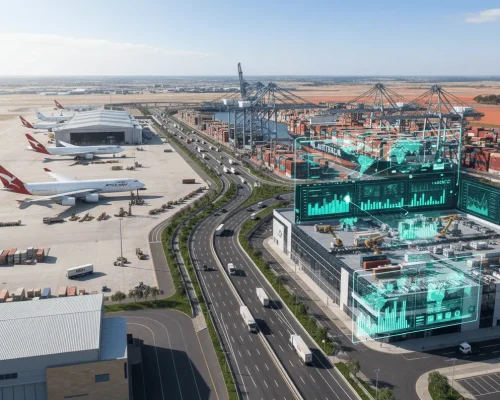
1. Expertise in International and Domestic Shipping
Australia’s supply chain landscape is complex due to:
- Long distances between cities like Sydney, Melbourne, Brisbane, and Perth
- Reliance on ports and airports for imports and exports
- Increasing demand for fast delivery in e-commerce and retail
Freight forwarders have extensive knowledge of shipping regulations, including customs, import/export laws, tariffs, and shipping documentation. They can help businesses avoid fines, delays, and logistical mistakes, ensuring smooth transit for all shipments.
Example: A small Australian electronics retailer importing components from China may struggle with customs paperwork. A freight forwarder ensures proper documentation, compliance with the Australian Border Force, and faster clearance at ports, allowing the retailer to focus on production and sales.
2. Cost-Effective Shipping Solutions
Freight forwarders often have negotiated contracts with airlines, shipping lines, and trucking companies, which allows them to offer competitive shipping rates to businesses.
How businesses save money:
- Consolidated shipments: Combining multiple smaller shipments into one container or air cargo load reduces costs per unit.
- Optimized routing: Choosing the most efficient transport route reduces fuel and handling expenses.
- Bulk shipping discounts: Forwarders can arrange bulk shipments that are much cheaper than shipping individually.
For Australian SMEs, this is particularly advantageous, as freight costs for domestic and international shipments can otherwise become prohibitive.
3. Time-Saving and Efficient Operations
Coordinating shipping independently requires significant time and manpower. Freight forwarders take on the heavy lifting by managing:
- Scheduling shipments with multiple carriers
- Tracking shipments in real time
- Handling documentation and customs clearance
- Coordinating last-mile delivery
This allows Australian businesses to focus on core activities like manufacturing, sales, and marketing, rather than worrying about logistics details.
Example: A Sydney-based e-commerce company shipping nationwide can rely on a freight forwarder to schedule and track deliveries, ensuring packages arrive on time for peak holiday periods.
4. Access to a Wide Network of Carriers and Partners
Freight forwarders maintain extensive networks of carriers, shipping lines, airlines, trucking companies, and warehouses.
Advantages:
- Flexible shipping options to meet various timelines and budgets
- Reliable carriers for both domestic and international shipments
- Faster resolution of delays, damages, or customs issues
For example, a company shipping furniture from Melbourne to Perth can choose between air freight for urgent deliveries or sea freight for cost efficiency, all coordinated by their freight forwarder.
5. Risk Management and Cargo Insurance
Shipping goods always carries risk: damage, theft, or delays can affect a company’s bottom line. Freight forwarders provide cargo insurance and risk management strategies to mitigate these risks.
Benefits:
- Insurance coverage for loss or damage during transit
- Handling customs inspections smoothly to avoid penalties
- Backup plans for delays due to weather, strikes, or natural disasters
Example: A refrigerated seafood shipment from Tasmania to Singapore may be insured against spoilage or delays, ensuring the business can recover losses if something goes wrong.
6. End-to-End Visibility and Real-Time Tracking
Modern freight forwarders offer digital tools that allow businesses to track shipments in real time, monitor inventory, and receive alerts on any delays.
Key Features:
- Real-time tracking dashboards
- Notifications for customs inspections or transit delays
- Analytics to identify bottlenecks in the supply chain
This visibility enables better decision-making, improved customer service, and enhanced operational efficiency. Australian e-commerce businesses, in particular, benefit from tracking shipments from warehouse to doorstep.
7. Expertise in Warehousing and Distribution
Many freight forwarders provide integrated warehousing solutions, which are especially helpful for businesses managing multiple shipments.
Benefits:
- Storage for inventory before distribution
- Consolidation and deconsolidation of shipments
- Efficient pick-and-pack operations
For businesses shipping to multiple Australian cities, warehouses near ports or major transport hubs allow faster delivery times and lower transport costs.
8. Streamlined Customs Clearance
Navigating customs can be daunting, particularly for businesses new to exporting or importing. Freight forwarders prepare and submit all documentation, ensuring compliance with:
- Australian Border Force regulations
- International trade requirements
- Import/export taxes and duties
Streamlined customs clearance reduces delays, avoids fines, and ensures smooth operations.
9. Scalable Logistics Solutions for Growing Businesses
Freight forwarders offer scalable solutions that grow with your business.
- Small businesses can start with basic freight services
- Large enterprises can integrate multi-modal transport, warehousing, and inventory management
- Seasonal fluctuations can be managed without extra staffing or infrastructure
Example: An e-commerce retailer in Brisbane can increase shipping capacity during holiday seasons using a freight forwarder without investing in additional trucks or warehouses.
10. Expert Advice and Strategic Consultation
Freight forwarders act as strategic partners, not just service providers. They offer:
- Guidance on the most efficient shipping routes
- Advice on cost-saving and risk-reduction strategies
- Insights on regulatory updates and compliance changes
Australian businesses benefit from this expertise, particularly when navigating complex international supply chains.
11. Sustainability and Green Logistics
Many freight forwarders now offer eco-friendly shipping options to help businesses reduce their carbon footprint:
- Optimized routing reduces fuel consumption
- Consolidated shipments reduce emissions
- Support for sea freight over air freight for bulk goods
Australian businesses increasingly consider sustainability as a key factor in supply chain decisions, and freight forwarders can guide environmentally responsible shipping practices.
12. Technology-Driven Logistics and Automation
Modern freight forwarders leverage technology and automation:
- AI and machine learning for predictive shipping
- Real-time inventory tracking
- Automated document processing
This makes supply chains more efficient, reliable, and data-driven, giving Australian businesses a competitive edge.
Conclusion
Partnering with a professional freight forwarding service in Australia provides businesses with:
- Expert guidance on domestic and international shipping
- Cost-effective, scalable logistics solutions
- Risk management and cargo insurance
- Real-time shipment tracking and visibility
- Access to a wide network of carriers, warehouses, and ports
Whether you are a small retailer, a manufacturing company, or a large e-commerce business, freight forwarders streamline your supply chain, reduce operational costs, and improve delivery efficiency. In today’s competitive market, using a freight forwarder is not just a convenience—it’s a strategic advantage.
FAQs
Q1: What is a freight forwarding service?
A freight forwarder manages shipments from origin to destination, including transport, customs clearance, and delivery.
Q2: How does a freight forwarder save money?
By negotiating better shipping rates, consolidating shipments, and optimizing routes.
Q3: Can freight forwarders handle both air and sea freight?
Yes, they offer cargo insurance to protect goods from loss or damage during transit.
Q4: Do freight forwarders provide insurance?
Yes, they offer cargo insurance to protect goods from loss or damage during transit.
Q5: Why is freight forwarding important for Australian businesses?
It saves time, ensures compliance, reduces shipping costs, and improves operational efficiency.