
Shipping goods efficiently is a critical part of supply chain management for Australian businesses, whether it’s importing raw materials, exporting products, or managing e-commerce deliveries. Two of the most common freight options are air freight and sea freight, each offering unique benefits and considerations.
Choosing the right mode of transport can impact cost, delivery speed, reliability, and overall business efficiency. This blog will guide Australian businesses on when to use air freight vs sea freight, including pros, cons, and real-world considerations.
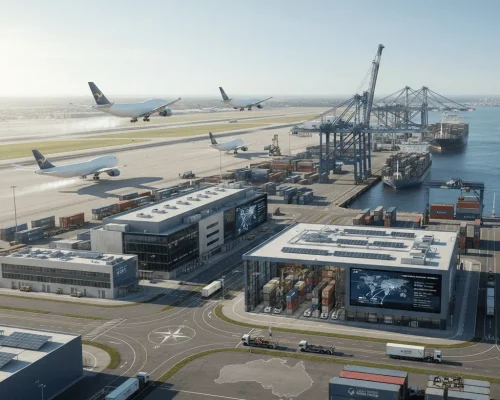
1. Understanding Air Freight and Sea Freight
Air Freight
Air freight involves shipping goods by airplane, either domestically or internationally. It is preferred for time-sensitive and high-value shipments.
Key features:
- Fast delivery
- Higher cost per kg
- Limited cargo volume compared to sea freight
- Ideal for perishable goods, electronics, and urgent shipments
Sea Freight
Sea freight involves shipping goods using cargo ships across oceans. It is commonly used for large shipments or bulk goods.
Key features:
- Slower transit times
- Lower cost per kg
- Large capacity for containerized cargo
- Suitable for heavy, bulky, or non-urgent shipments
2. Cost Comparison: Air Freight vs Sea Freight
Air Freight
- More expensive due to fuel costs, airport fees, and faster delivery
- Ideal for high-value, low-weight shipments
- Additional costs: express handling, customs clearance, and insurance
Sea Freight
- More cost-effective for bulk or heavy cargo
- Costs include container fees, port charges, and long transit times
- Economies of scale reduce shipping cost per unit for large consignments
Example: A 100 kg shipment from China to Sydney may cost 5–10x more via air freight than sea freight but arrive in 2–3 days versus 20–30 days by sea.
3. Speed & Transit Time
Mode | Transit Time Australia (Approx.) | Best For |
Air Freight | 2–7 days (international) | Urgent shipments, perishable goods, electronics |
Sea Freight | 20–40 days (international) | Bulk shipments, furniture, raw materials |
Air freight offers rapid delivery, making it ideal for businesses with tight deadlines.
Sea freight, though slower, is reliable for planned shipments and bulk inventory.
4. Reliability & Risk Factors
Air Freight
- Lower risk of cargo damage due to limited handling
- Less exposure to weather delays, but subject to airport and air traffic delays
- Ideal for fragile or high-value goods
Sea Freight
- Higher risk of cargo damage due to long handling and exposure to weather
- Delays may occur due to port congestion, customs inspection, or natural events
- Requires proper packaging and insurance
5. Cargo Size & Weight Considerations
Air Freight
- Limited by aircraft capacity
- Expensive for heavy or bulky items
- Best for smaller, high-value shipments
Sea Freight
- Can handle large volumes of cargo in containers (20ft, 40ft, or even refrigerated containers)
- Economical for bulk shipments and oversized goods
6. Environmental Impact
- Air Freight: Higher carbon footprint due to fuel consumption and emissions
- Sea Freight: Lower carbon footprint per ton, more eco-friendly for bulk shipments
- Businesses increasingly consider sustainability when choosing freight options
7. Insurance & Security
- Air Freight: Usually comes with higher insurance premiums due to higher value of goods
- Sea Freight: Insurance may be lower per unit but includes risk of longer transit and potential delays
8. Practical Scenarios for Australian Businesses
When to Choose Air Freight
- Urgent deliveries for e-commerce or retail
- Shipping high-value electronics or medical equipment
- Perishable goods like seafood, fruits, and flowers
- Time-sensitive manufacturing components
When to Choose Sea Freight
- Large shipments of raw materials or bulk goods
- Furniture, heavy machinery, or vehicles
- Non-urgent deliveries with flexible timelines
Businesses seeking cost-efficient shipping over speed
9. Combining Air and Sea Freight (Hybrid Approach)
Some businesses use a multimodal freight strategy:
- Sea freight for bulk goods to reduce cost
- Air freight for urgent or critical items to maintain customer satisfaction
This blended approach balances cost, speed, and reliability, especially for Australian companies operating in international markets.
10. Choosing the Right Freight Forwarder in Australia
A professional freight forwarding service can help businesses:
- Select the most efficient shipping method
- Navigate customs and regulatory compliance
- Optimize costs and transit times
- Provide end-to-end tracking
Working with a reliable forwarder ensures your cargo arrives safely, on time, and within budget.
Conclusion
Air freight vs sea freight is not a one-size-fits-all decision for Australian businesses. The choice depends on:
- Shipment urgency
- Cargo size, weight, and value
- Cost considerations
- Environmental impact
- Risk tolerance
By evaluating these factors, Australian companies can choose the optimal freight method, streamline their supply chains, and improve overall efficiency.
For many businesses, a hybrid freight strategy combined with a trusted freight forwarder offers the best balance of speed, cost, and reliability.
Frequently Asked Questions
Q1: What is the main difference between air freight and sea freight?
Air freight is faster but more expensive, while sea freight is slower but cost-effective for large shipments.
Q2: Which is better for Australian businesses: air or sea freight?
It depends on cargo size, urgency, cost sensitivity, and value. High-value, urgent items use air freight; bulk, non-urgent goods use sea freight.
Q3: Can I combine air and sea freight?
Yes, a hybrid strategy can optimize speed and cost, especially for international shipments.
Q4: Is air freight more environmentally friendly than sea freight?
No, air freight has a higher carbon footprint. Sea freight is more eco-friendly for bulk cargo.
Q5: Do I need a freight forwarder for shipping?
Yes, professional forwarders help with customs, compliance, tracking, and route optimization.